

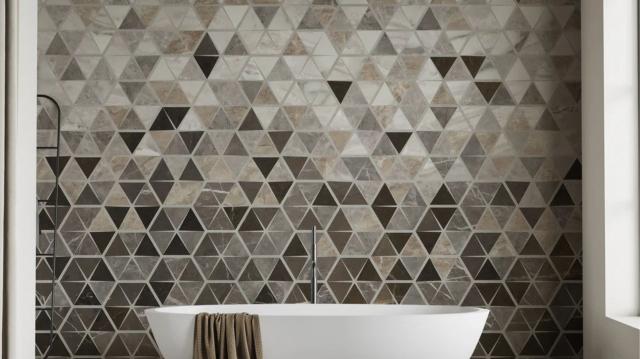
Geometric tile wallpaper is a contemporary design trend that continues to dominate in modern interiors. Its clean lines, dynamic patterns, and symmetrical appeal make it a popular choice for homeowners seeking an upscale aesthetic without the commitment of real tiles. But how do you ensure a seamless look when installing it? Whether you're working on a bold bathroom makeover or refreshing your living room, follow this guide to install modern geometric tile wallpaper with confidence and precision.
Why Choose Geometric Tile Wallpaper?
Geometric patterns have a timeless quality that can make any room feel more structured and sophisticated. From minimalistic black-and-white triangles to complex 3D illusions, geometric wallpaper offers a wide variety of designs that cater to different tastes and interior themes.
This style is particularly effective in spaces where you want to make a statement such as accent walls, entryways, or modern bathrooms. Want to know which shades work best for upscale spaces? Explore the best color combinations for luxury bathroom wallpaper to create a cohesive and high-end vibe.
Step-by-Step Guide to a Seamless Installation
1. Choose the Right Wallpaper
Before anything, pick a high-quality wallpaper that aligns with your aesthetic. Peel-and-stick wallpapers are especially popular for DIY projects. They're easy to apply, remove, and reposition perfect for geometric patterns that require precision.
Want to stay ahead of trends? Check out the top peel-and-stick wallpaper styles for 2025 to ensure you're making a future-proof choice.
2. Prep Your Surface
For the wallpaper to adhere smoothly:
-
Clean the wall thoroughly to remove dust and grease.
-
Fill any holes or cracks.
-
Lightly sand any uneven spots.
-
Ensure the wall is dry before application.
3. Measure and Cut
Measure the height and width of your wall. Cut wallpaper strips that are 2–3 inches longer than the height for easy trimming. When working with geometric patterns, it's essential to match the design across strips. Lay out your strips on the floor beforehand to ensure the patterns align.
4. Apply with Precision
Start from the center or a corner, depending on your layout plan. Slowly peel the backing while smoothing the paper onto the wall with a plastic smoother or credit card. Work from top to bottom, and from the center outward to eliminate bubbles and wrinkles.
5. Pattern Matching
Geometric patterns are unforgiving if misaligned. Take your time matching the shapes and lines. Even a slight mismatch can disrupt the entire wall's visual harmony. For best results, start with a level guideline to ensure straight application.
6. Trim Excess and Final Touches
Use a sharp utility knife and a straight edge to trim any extra wallpaper at the ceiling, baseboard, and corners. Step back occasionally to inspect the wall from a distance. This helps you catch any minor misalignments before you finish.
Tips for a Seamless Finish
-
Work in Good Lighting: Proper lighting helps you spot air bubbles, misalignments, or pattern mismatches more easily.
-
Keep the Room Cool and Dry: Excess humidity can affect the adhesive quality of peel-and-stick wallpaper.
-
Take Breaks: Rushing through installation can lead to costly mistakes. Patience is key when working with intricate designs.
Bonus: Design Inspiration
Looking for creative ways to use geometric tile wallpaper beyond just walls? Many homeowners are applying it to furniture, stair risers, and even ceilings for an unexpected twist. this article on innovative wallpaper uses provides plenty of inspiration for thinking outside the box.
Additionally, if you're planning a larger renovation or simply want more ideas to elevate your home's style, check out this useful read on wallpaper trends and installation tips to complement your geometric wall masterpiece.
Final Thoughts
Installing modern geometric tile wallpaper can instantly elevate your space with a sleek, contemporary vibe. With the right preparation and attention to detail, your walls will look like they've been styled by a pro. Whether you go bold with contrast or subtle with tone-on-tone, the key is precision and a bit of creativity.